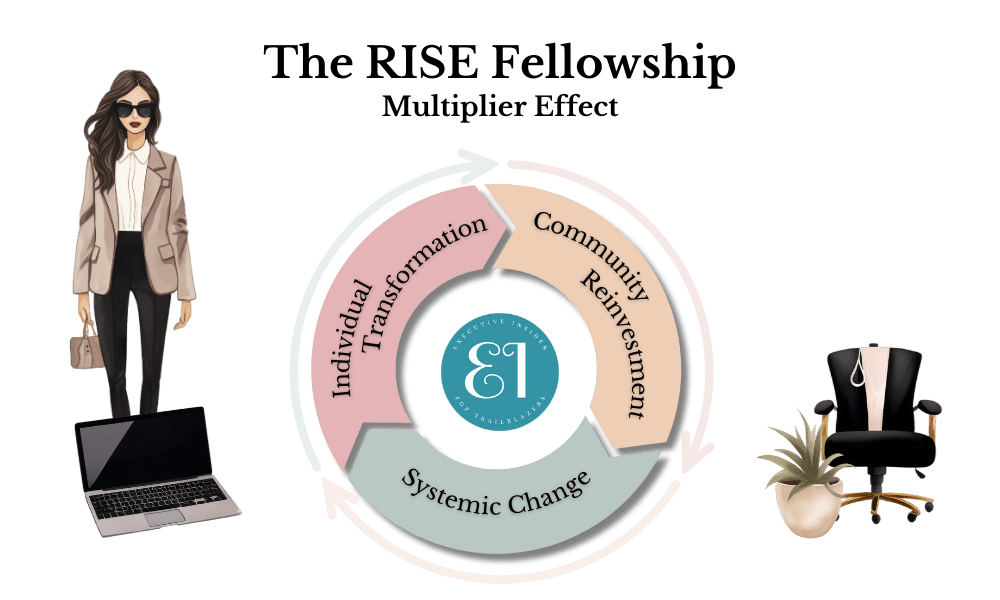
The article’s (Pascual, 2025) focus on air quality, cancer risk, and public-health inequality connects to our broader theory of change: sustainable advancement has to account for systems, not just individual ambition.
What the Article Actually Says
The White House has, for the first time, implicitly acknowledged that data centers can harm public health, especially through pollution tied to energy generation and backup generators (Pascual, 2025). According to the Pascual (2025), the public-health burden of AI-related pollution reached an estimated $17 billion to $29 billion between 2019 and 2023, with at least 1,100 premature deaths during that period.
The article also explains that the harm is not evenly distributed. Communities near power plants, backup generators, and dense data-center corridors can face higher exposure to toxic gases and fine particles, while the benefits of AI infrastructure flow elsewhere. That makes location, regulation, and environmental justice central to any responsible AI conversation.
US Admits Data Centers Are Harmful to Health
AI is often framed as innovation, growth, and efficiency. But this article (Pascual, 2025) makes the physical cost impossible to ignore: the infrastructure behind AI can worsen air quality, drive up cancer risk, and deepen environmental inequality.
For first-generation female professionals (FGPs), this matters because responsible AI isn’t just about outputs, bias, or productivity. It’s also about understanding who pays the hidden price when a system scales fast and governance lags behind.
What This Means for You, Right Now
If you lead, buy, or influence AI tools, this article gives you a sharper lens for asking hard questions. Who lives near the facilities powering this system? Who bears the pollution burden? And are the organizations profiting from AI also accountable for the health impacts it creates?
That’s a leadership question and not only an environmental one. FGPs are often the people who notice when a solution creates a new problem somewhere else, especially when that problem falls on communities with less power. Naming that tradeoff is part of strategic judgment, and it aligns directly with Executive Insider’s evidence-based approach to equity and community reinvestment.
Why This Matters for FGPs (First-Gen Female Professionals)
This source fits our mission because it shows that economic progress without shared protection isn’t real equity. The article’s focus on air quality, cancer risk, and public-health inequality connects to our broader theory of change: sustainable advancement has to account for systems, not just individual ambition.
For FGPs, the takeaway is simple but important. When AI is being discussed in your workplace or industry, don’t let the conversation stop at “What can it do?” Push it one level deeper: “What does it cost, who does it harm, and how do we build it more responsibly?” That question is where responsible leadership starts.
Your Next Step
The next time AI comes up in a meeting, ask one location-based question: where is the infrastructure for this tool, and what communities are being affected by it? That one question can change the conversation from hype to accountability.
Sources
Pascual, M. G. (2025, February 7). US admits data centers are harmful to health. EL PAÍS. https://english.elpais.com/technology/2025-02-07/us-admits-data-centers-are-harmful-to-health.html